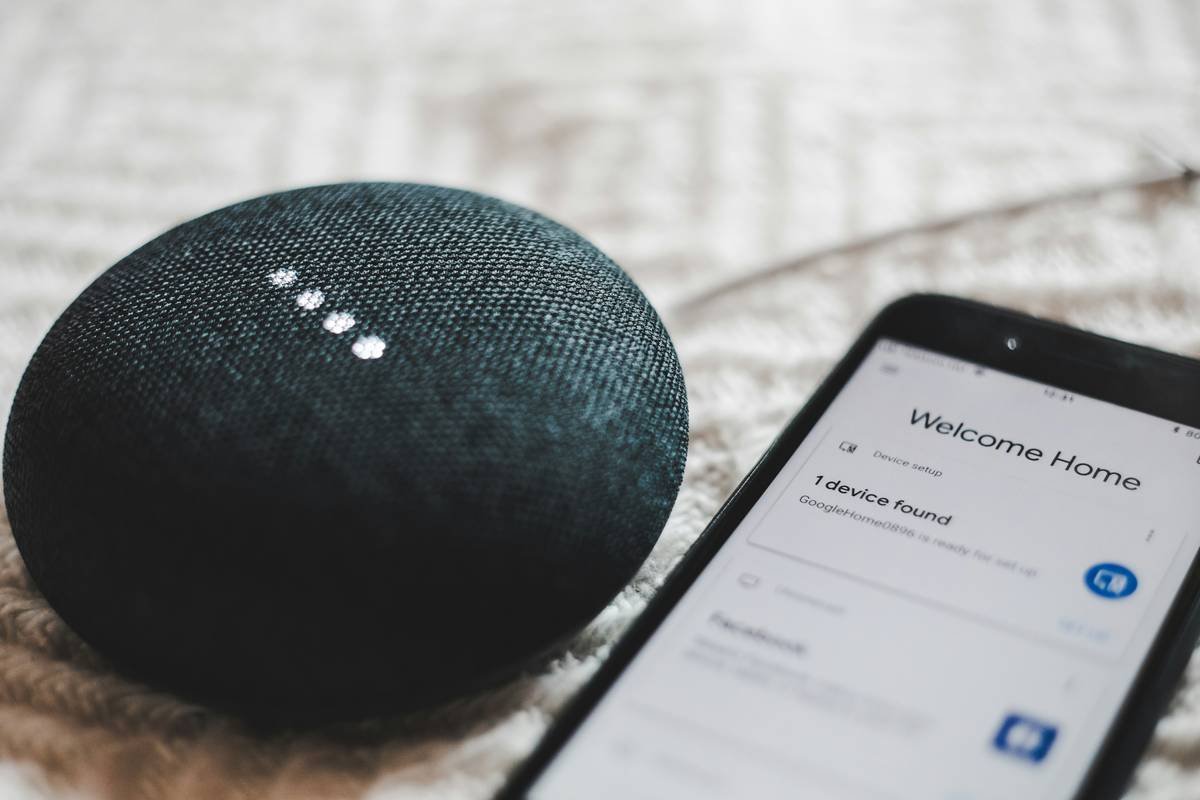
Ever woken up to an alarm that ignored your groggy “Snooze” command? Yeah, us too. It’s frustrating when your fancy smart clock doesn’t understand you—or worse, mishears and blasts music instead of letting you sleep in.
In this guide, we’re diving deep into the world of voice assistant clock functions. You’ll learn why these features matter, how they work, tips for mastering them, and real-world examples that prove their value. Plus, there might be some light ranting about voice assistants who think “set alarm” means “play heavy metal at 3 a.m.” Let’s get started!
Table of Contents
- Key Takeaways
- Why Voice Assistant Clock Functions Matter
- Getting Started with Voice Assistant Clocks
- Tips & Best Practices for Voice Assistant Clocks
- Examples of Success: Real-World Use Cases
- FAQs About Voice Assistant Clock Functions
Key Takeaways
- Voice assistant clocks combine convenience and functionality, making daily tasks easier.
- Mastering commands is key to avoiding frustrating misunderstandings.
- The right setup can transform your morning routine—and even save time on multitasking during busy days.
- Pick devices compatible with popular ecosystems (like Alexa, Google Assistant, or Siri).
- Avoid overloading commands—simplicity wins every time.
Why Do Voice Assistant Clock Functions Matter?
Growing up, setting alarms meant fumbling around in the dark, smacking buttons until something beeped hopefully. Fast forward to today: voice assistant clocks let you simply say, “Alexa, wake me up at 7 a.m.,” from the comfort of your bed.
But it’s not just about lazy mornings; these gadgets streamline everything from reminders to weather updates. Imagine asking your clock what’s happening outside while brushing your teeth or having it remind you to grab lunch before meetings start piling up.
Confessional Fail: I once asked my Amazon Echo Show clock to set a reminder for tomorrow but forgot which day “tomorrow” actually was. Long story short, I missed dinner plans because Alexa didn’t know I’d lost track of time. Lesson learned: clarity counts!
Getting Started with Voice Assistant Clocks: How They Work
Optimist You: “This’ll be easy, just plug-and-play!”
Grumpy You: “Ugh, unless Bluetooth decides to ghost you again.”
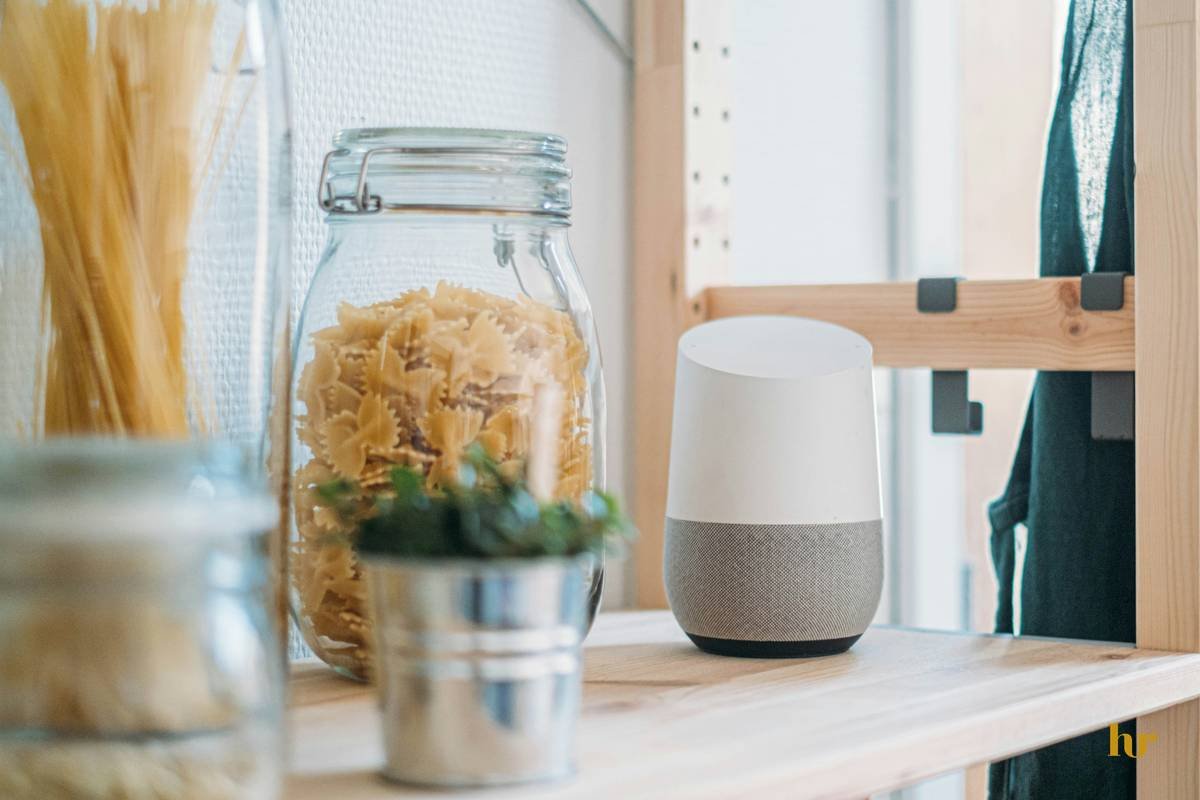
Setting up a smart clock isn’t rocket science, but here are the basics:
Step 1: Choose Your Device
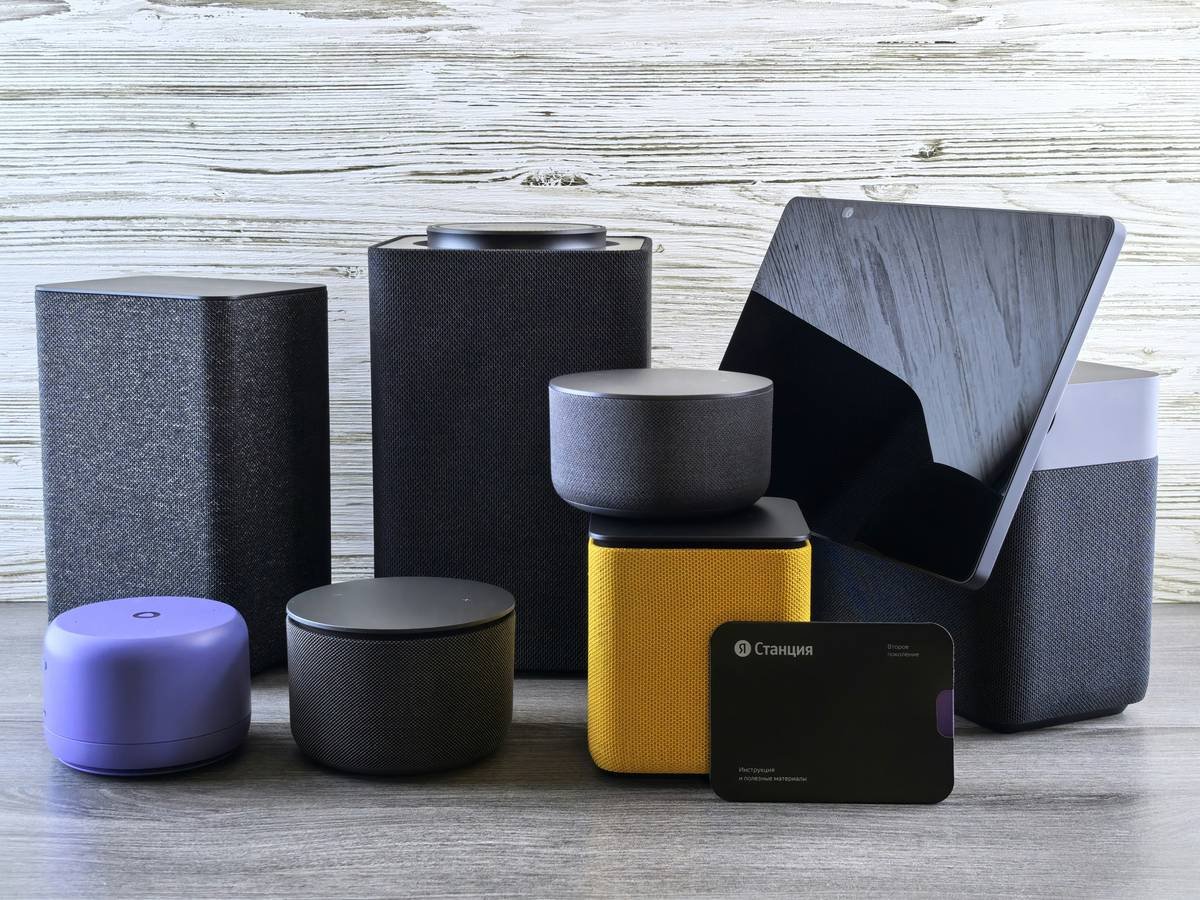
Select a clock compatible with major voice assistants like Google Assistant, Amazon Alexa, or Apple Siri. Brands include Lenovo Smart Clock, Google Nest Hub, and Echo Show series.
Step 2: Connect to Wi-Fi
No Wi-Fi, no magic. Ensure stable internet access so your clock syncs seamlessly with its ecosystem.
Step 3: Enable Voice Commands
Customize activation phrases and test out basic commands such as “Set alarm,” “Check weather,” or “Play music.”
Step 4: Sync with Other Smart Home Devices
If applicable, integrate your clock with lighting systems or thermostats for full automation power.
Tips & Best Practices for Using Voice Assistant Clock Functions
- Simplify Your Commands: Avoid saying things like, “Alexa, could you please turn off all the lights except the one by the couch?” Instead, go step-by-step.
- Test Before Bedtime: Always double-check alarms and routines to avoid waking up late—or never sleeping.
- Create Custom Responses: Some devices allow personalizing automated replies. For example, “Good morning, sleepyhead! Coffee’s ready!” feels way better than robot speak.
- Keep Firmware Updated: Manufacturers release patches for improved performance regularly. Ignore updates at your peril.
- Don’t Overcomplicate Routines: Terrible Tip Alert: Don’t add fifteen steps to your bedtime sequence unless you want chaos. Simpler = smarter.
Examples of Success: Real-World Use Cases
Meet Sarah, a teacher who swears by her Google Nest Hub’s ability to read bedtime stories aloud. By saying, “Hey Google, play calming music,” she ensures her kids drift off without fuss—even on hectic nights.
Or take Mark, a project manager whose Lenovo Smart Clock syncs perfectly with his Google Calendar. Every morning, he gets an audio rundown of his schedule alongside gentle wake-up tunes.
FAQs About Voice Assistant Clock Functions
Q: Can I use multiple voice assistants on one clock?
Absolutely—if it supports multi-platform compatibility. However, most clocks stick to a single platform for consistency.
Q: Are voice assistant clocks secure?
Most manufacturers prioritize encryption and data protection. Just make sure to review privacy policies and update passwords occasionally.
Q: What happens if my clock loses internet connection?
While core features remain functional offline, advanced integrations (like streaming music) require connectivity.
Conclusion
Voice assistant clock functions aren’t just techy novelties—they’re game-changers for anyone looking to simplify life. From smoother morning starts to effortless evening wind-downs, these smart gadgets pack serious punch behind sleek designs.
Remember our grumpy rant about unclear commands? That’s fixable with practice. Stick to simple instructions, keep firmware fresh, and enjoy seamless integration across your smart home.
Cheers to brighter mornings and cozier nights—now go forth and conquer those voice assistant clocks!
Oh, and one last thing:
Beep boop alarm rings,
Voice says, “Wakey-wakey friend!”
Coffee waits below.