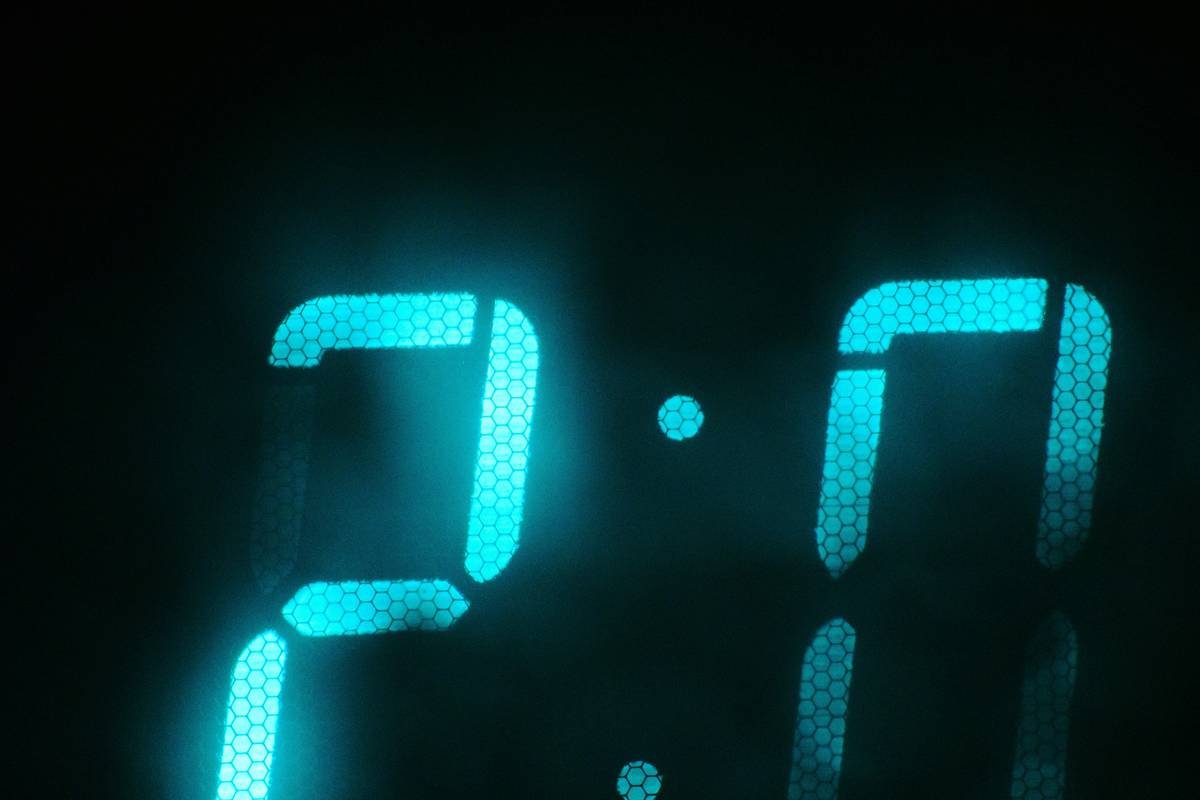
Ever woken up to a blinding alarm clock at 3 AM and thought, “Why can’t this thing tone it down?” You’re not alone. The struggle with harsh bedside displays has plagued humanity for decades. But what if your clock could adjust its brightness based on the room’s lighting? Enter the ambient light smart clock display. Today, we’re diving deep into how this nifty gadget works, why you need one, and how to pick the best.
Table of Contents
- Introduction
- Section 1: What Exactly Is an Ambient Light Smart Clock Display?
- Section 2: Step-by-Step Guide to Setting Up Your Smart Clock
- Section 3: Tips for Using Your Smart Clock Like a Pro
- Section 4: Real-Life Examples That’ll Blow Your Mind
- FAQs About Ambient Light Smart Clock Displays
- Conclusion
Key Takeaways
- An ambient light smart clock display adapts its brightness to match your environment, reducing eye strain.
- Smart integration allows for voice control, alarms synced across devices, and more.
- Choosing the right model depends on compatibility, features, and design preferences.
- Proper setup maximizes functionality without adding clutter to your space.
- This tech upgrade isn’t just a luxury—it enhances sleep quality and daily routines.
What Exactly Is an Ambient Light Smart Clock Display?
Optimist You: “It’s the future of bedside clocks!”
Grumpy You: “Yeah, but does it really justify spending $150 on something that tells time?”
Fair point, Grumpy Me. Let’s break it down. An ambient light smart clock display uses sensors to detect the amount of natural or artificial light in a room. Then, it adjusts its LED backlighting accordingly. So when your bedroom is pitch dark at night, the numbers won’t blind you like stadium floodlights. During the day, however, they’ll brighten enough to be easily readable from across the room.
But wait—there’s more! Many modern models also double as smart home hubs. They pair seamlessly with Alexa, Google Assistant, or HomeKit. And guess what? Some even play white noise or project soothing visuals onto your ceiling. It’s basically a sleep spa disguised as a clock.
Step-by-Step Guide to Setting Up Your Smart Clock
Optimist You: “Setting up will be easy-peasy!”
Grumpy You: “Ugh, I still haven’t figured out Bluetooth pairing after all these years.”
Let’s squash those fears. With most ambient light smart clock displays, setup is pretty straightforward:
Step 1: Unbox and Place Strategically
Find a spot where the ambient light sensor can work its magic. Avoid direct sunlight or shadows that might throw off readings.
Step 2: Connect to Wi-Fi
Download the accompanying app (usually available via QR code in the manual), then connect your clock to your home network. Hint: Use a strong password—you don’t want hackers snooping on your bedtime routine.
Step 3: Sync with Other Devices
If you use other smart home gadgets, now’s the time to integrate them. Set morning alarms through Alexa, ask Google to dim the lights while you snooze, or sync fitness trackers to monitor sleep cycles.
Step 4: Customize Settings
Tweak brightness thresholds, choose font styles, or enable special modes like Night Light. One terrible tip here? Don’t leave it on max brightness permanently; it defeats the purpose of having an adaptive display!
Tips for Using Your Smart Clock Like a Pro
- Embrace Automation: Use sunrise simulations to wake up naturally instead of relying on jarring buzzers.
- Sync with Routines: Combine the clock’s functions with smart plugs to automate coffee brewing or thermostat adjustments.
- Experiment with Voice Commands: Practice asking “Hey [Assistant], set my alarm for 6 AM” while brushing your teeth.
- Maintain Privacy: Regularly update firmware to keep your personal data secure. Remember, nothing ruins mornings faster than realizing strangers accessed your schedule.
Real-Life Examples That’ll Blow Your Mind
Here’s a fun story: My friend Sarah—a notorious oversleeper—swore by regular alarm clocks until she tried an ambient light smart clock display. Now, her clock simulates a gradual sunrise 30 minutes before her alarm goes off. The result? She wakes up refreshed, grogginess-free, and hasn’t been late to work once since switching.
Data nerds, listen up. A study found that participants exposed to soft, adaptive lighting reported 25% better sleep quality compared to those using traditional digital clocks. Coincidence? Hardly.
Sounds too good to be true? Think again. Brands like Philips Hue and Eve have made huge strides by combining functionality with aesthetics. You get tech wizardry wrapped in minimalist designs perfect for any decor style.
FAQs About Ambient Light Smart Clock Displays
Do These Clocks Work Without Internet?
Most basic functions do, but advanced integrations require Wi-Fi. Think offline = limited smartness.
Can I Install Third-Party Apps?
Rarely. Most clocks come preloaded with their own software. Stick to official updates for security reasons.
Will It Drain Power Faster Than Regular Clocks?
Not necessarily. Many are energy-efficient, especially if powered via USB or batteries with adaptive power-saving modes.
Conclusion
To sum it up, an ambient light smart clock display is more than just a fancy gadget—it’s a game-changer for anyone who values comfort, convenience, and cutting-edge tech. From improving sleep hygiene to simplifying everyday tasks, these devices bring undeniable value to your humble abode.
So go ahead, treat yourself. Your eyes—and brain—will thank you. And remember: Like a Tamagotchi, your SEO needs daily care.