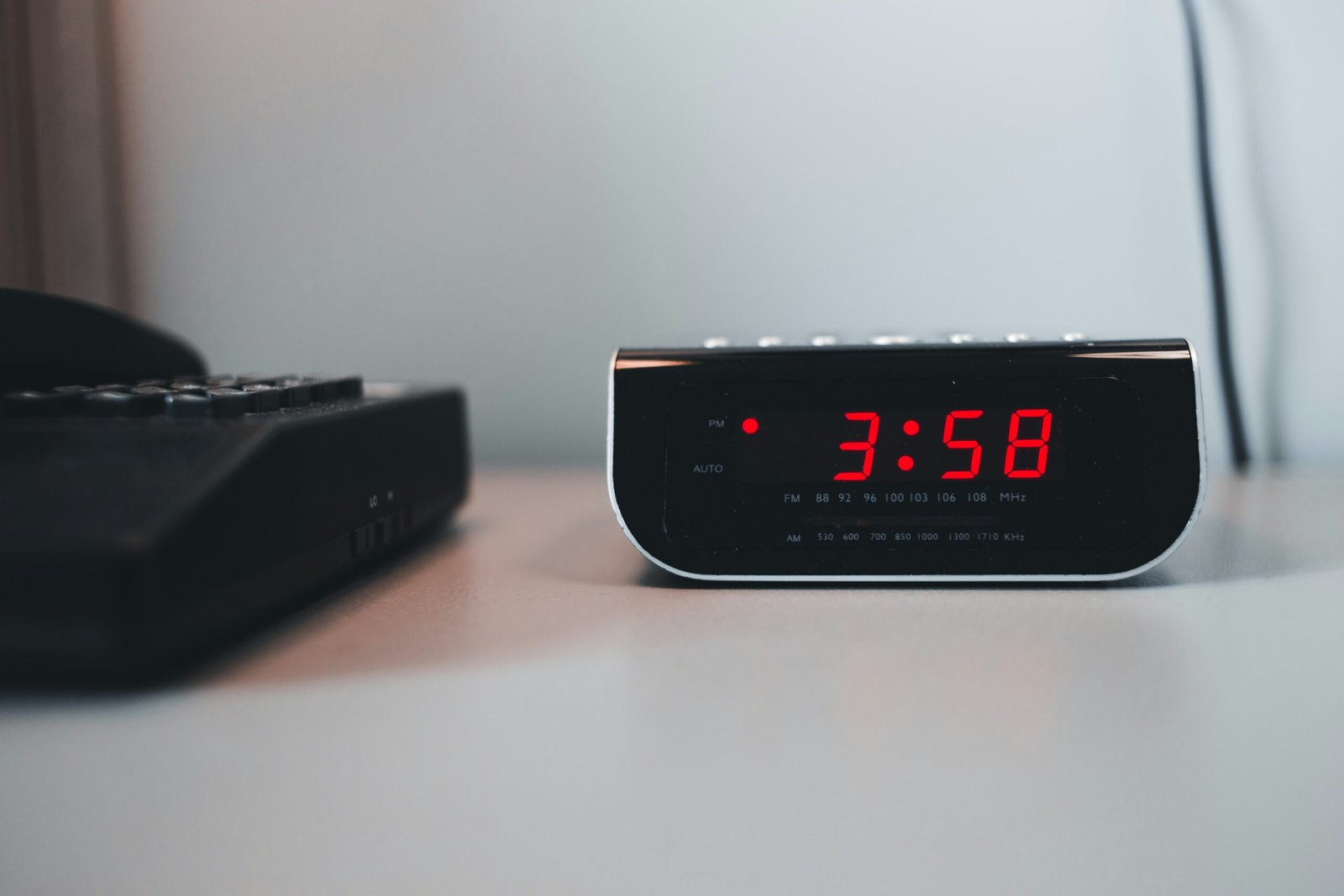
Ever woken up feeling like you’ve run a marathon in your sleep? Spoiler: It’s not just you. A staggering 35% of adults don’t get enough quality sleep, and many turn to smart clocks like sleep monitoring clocks hoping for answers.
This post will uncover how these devices work, whether they’re worth the hype, and how to use them effectively—plus tips on avoiding rookie mistakes, real-world examples, and a quick rant about why alarms still suck no matter how “smart” they get. Let’s dive in!
Table of Contents
- Key Takeaways
- Why You Need a Sleep Monitoring Clock (Or Do You?)
- How to Use Your Sleep Monitoring Clock Right
- Pro Tips for Maximizing Your Sleep Tech
- Real-World Examples: What Works Best
- FAQs About Sleep Monitoring Clocks
- Conclusion
Key Takeaways
- Sleep monitoring clocks help track sleep cycles but aren’t magic solutions.
- You need to pair tech with good habits for it to actually improve rest.
- The wrong settings can make even smart alarms feel like medieval torture.
Why You Need a Sleep Monitoring Clock (Or Do You?)
Here’s the dirty little secret about sleep monitoring clocks—I thought mine was broken at first because my bedtime stats were all over the place. Turns out, I’m the problem. Consistently staying up late scrolling Instagram doesn’t magically look better when graphed by an app.
These gadgets shine in providing data-driven insights into your snooze patterns. They monitor heart rate, motion, and sometimes even snoring levels to determine which stages of sleep you’re hitting. The kicker? Understanding deep vs. light sleep helps optimize routines so you wake up less groggy.
Optimist You:
“With data comes power!”
Grumpy Me:
“Yeah, if you’re willing to stop doomscrolling long enough to act on it.”
How to Use Your Sleep Monitoring Clock Right
Want actionable steps? Here’s the lowdown:
- Set It Up Correctly: Pair the device with your phone or Wi-Fi network. Misconfigured connections are a common newbie fail that messes with accuracy.
- Stick to a Routine: These clocks thrive on consistency. Going to bed within the same hour range nightly boosts tracking precision.
- Read Reports Weekly: Daily obsession leads to unnecessary stress; weekly summaries give clearer trends.
Pro Tips for Maximizing Your Sleep Tech
- Avoid Blue Light Before Bed: Your shiny new sleep clock won’t save you from poor habits like late-night Netflix binges.
- Invest in Blackout Curtains: Light pollution messes with both you and your gadget’s sensors. Double whammy.
- Rant Alert: Why do some alarm sounds still sound like angry birds fighting? Turn off those default tones immediately—seriously.

Real-World Examples: What Works Best
Take Sarah, who swears her sleep monitoring clock helped her identify caffeine sensitivity after noticing restless nights post-4 PM coffee breaks. Or Jake, whose morning routine changed entirely thanks to the “gentle wake-up” feature mimicking sunrise lighting—a game-changer, according to him.
FAQs About Sleep Monitoring Clocks
Are sleep monitoring clocks accurate?
While reasonably reliable, external factors like pets moving nearby or irregular breathing might skew results slightly.
Do I really need one?
If you suspect insomnia or frequent fatigue, yes. Otherwise, focus first on basic hygiene practices like keeping a dark room and sticking to consistent bedtimes.
Will this replace my Fitbit?
Nope, though some models offer overlapping functionality. Think of it more as a bedroom-specific tool rather than an all-in-one solution.
Conclusion
Sleep monitoring clocks hold immense potential—but only if paired with realistic expectations and solid nighttime habits. Whether you’re looking to decode mysterious fatigue or simply fine-tune your Zzz’s, these gadgets provide valuable intel. So go ahead, upgrade your bedtime routine…just avoid blaming the tech entirely if you stay up binge-watching again tonight.
Like dial-up internet, perfect sleep may take time—but every step counts toward faster load times for your brain!