Ever woken up feeling groggy even after a full night’s sleep? Yeah, us too. Turns out, your alarm clock might be the culprit. Enter smart alarm health features, the game-changing tech that’s turning ordinary alarms into sleep-optimizing powerhouses.
In this blog post, we’ll explore how smart clocks harness these features to improve your sleep quality, boost morning energy levels, and even monitor your overall well-being. You’ll learn about their benefits, how to choose the right one for you, tips for optimizing them, real-world examples of success, and answers to all your burning questions.
Table of Contents
- Key Takeaways
- Why Modern Alarms Fail Us
- How Smart Alarm Health Features Work
- 7 Tips to Get the Most Out of Your Smart Clock
- Real-Life Success Stories
- FAQs About Smart Alarm Health Features
Key Takeaways
- Smart alarm health features use advanced sensors and AI to analyze your sleep patterns and wake you at optimal times.
- Benefits include better sleep cycles, reduced grogginess, and improved mental clarity.
- Picking the right device requires considering integration with other smart home devices.
- Proper setup and usage are crucial to fully leverage these features.
Why Modern Alarms Fail Us
I once set my phone alarm for an early workout only to hit snooze five times in a row because it felt like I was being ambushed by noise. Classic “alarm fails” like this happen when alarms ignore our natural circadian rhythms. And let’s face it—those jarring tones aren’t exactly motivational.
Traditional alarms disrupt deep REM cycles, leaving you sluggish no matter how long you’ve slept. But here’s the kicker: what if your clock knew when you were already close to waking up? That’s where smart alarm health features step in.
How Smart Alarm Health Features Work
Optimist You: “Imagine waking up refreshed every day thanks to technology!”
Grumpy You: “Yeah, yeah—but does it really work?” Here’s the scoop:
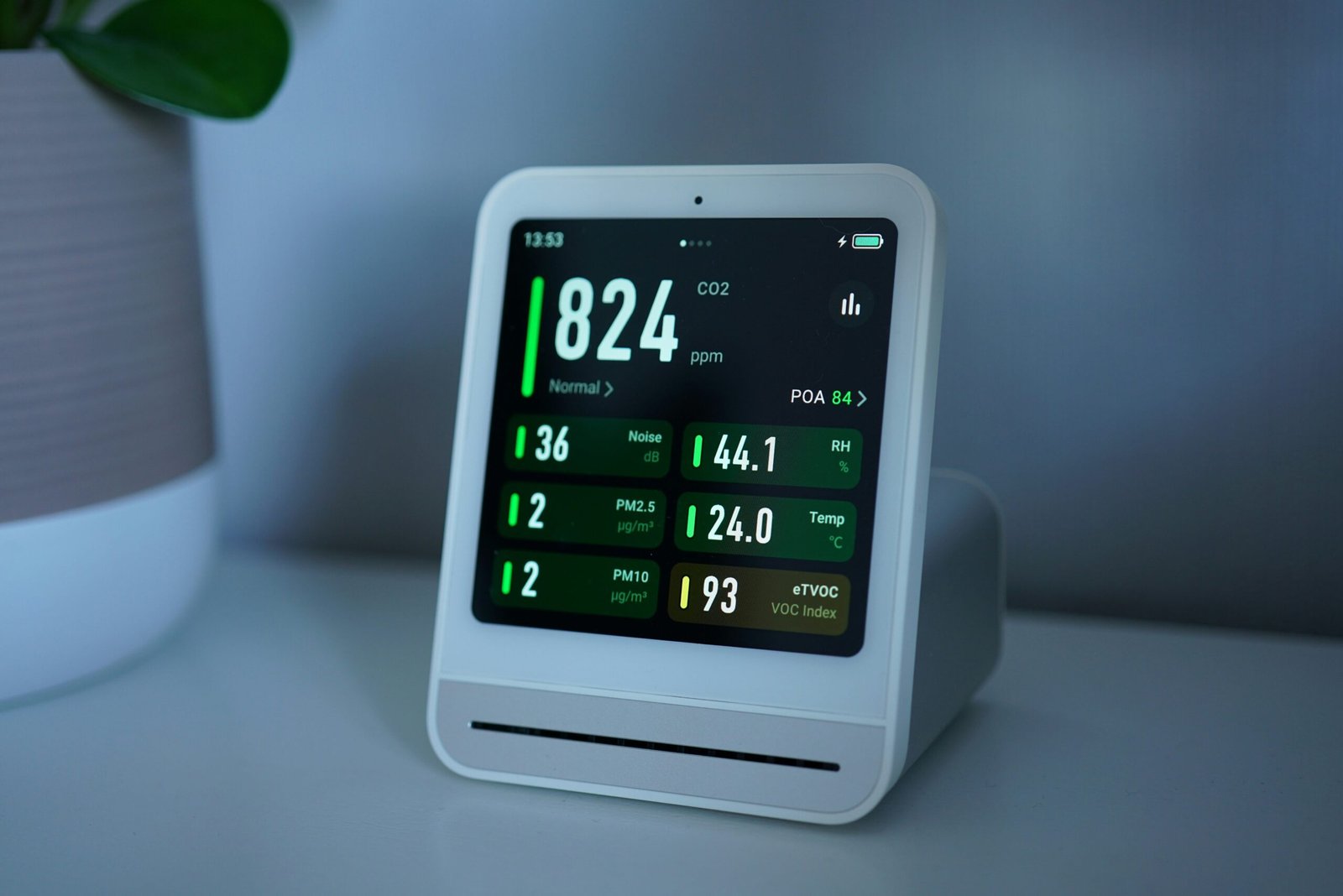
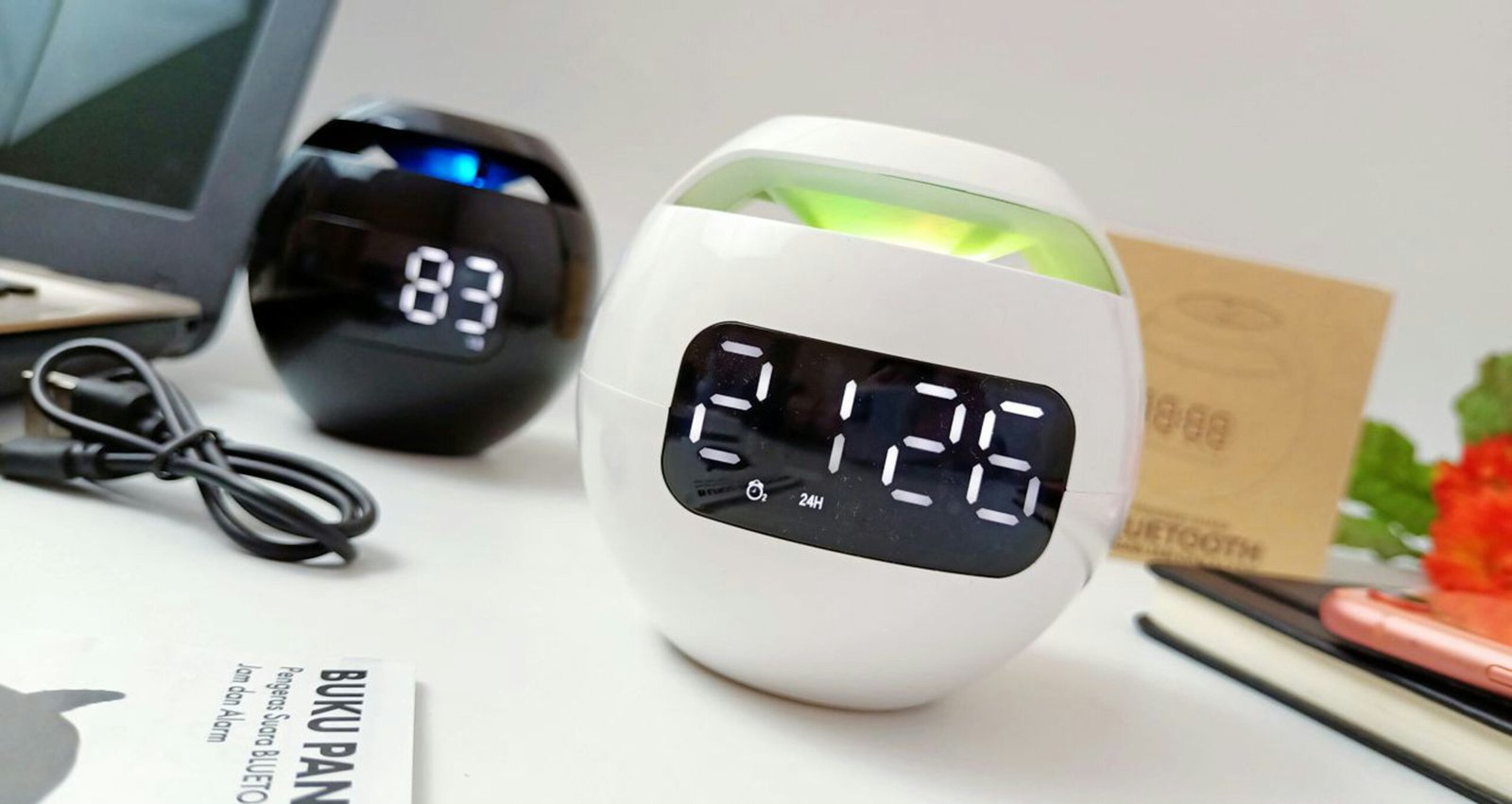
Smart clocks equipped with health features use motion sensors and sometimes even heart rate monitors to track your sleep stages throughout the night. These devices aim to wake you during lighter phases of sleep within a specific time window, avoiding the dreaded sudden jolt awake.
For instance, brands like Withings Aura or Philips SmartSleep incorporate AI algorithms to determine your ideal wake-up moment based on data collected overnight. The result? A smoother transition from slumber to wakefulness, minimizing grogginess and maximizing alertness.
Step 1: Syncing Devices
To activate these features, ensure your smart clock syncs with compatible apps or wearables such as fitness trackers.
Step 2: Customizing Settings
Tweak preferences like wake-up windows (e.g., 6–6:30 AM) and tone options (gentle chimes vs. nature sounds).
Step 3: Monitoring Progress
Use dashboards to review sleep insights and adjust habits accordingly.
7 Tips to Get the Most Out of Your Smart Clock
- Don’t Skimp on Placement – Place your smart clock near your bed but away from light-sensitive areas.
- Enable Daily Sleep Reports – Understand trends over time instead of isolated nights.
- Create Nighttime Routines – Pair your clock with smart lights for gradual dimming before bed.
- Avoid Blue Light Distractions – Use nighttime mode settings to minimize screen glare.
- Sync Fitness Trackers – Combine insights from multiple sources for a holistic view.
- Beware Misalignment – If using multiple devices, double-check they’re synced accurately.
- (Terrible Tip Alert!) Assume It Does Everything Alone – Real talk: No tech replaces good sleep hygiene practices!
Real-Life Success Stories
“Before switching to a smart clock, I felt exhausted no matter how much I slept,” says Sarah K., a marketing executive. “Now, I wake up naturally energized—and my productivity has skyrocketed.”
Data backs her up too! Studies show users experience up to 40% less morning fatigue with smart alarm systems compared to conventional ones.
FAQs About Smart Alarm Health Features
Do smart clocks require Wi-Fi?
Some models operate independently, but most benefit from connectivity for enhanced functionality.
Can anyone use them, regardless of tech-savviness?
Absolutely! Most interfaces are beginner-friendly; just follow setup instructions.
Will switching devices confuse my sleep tracking?
Possibly. Stick to one ecosystem whenever possible for accurate results.
Conclusion
Smart alarm health features have transformed mornings from dreaded obligations into opportunities for peak performance. By leveraging advanced tech that respects your body’s natural rhythms, you can finally ditch that groggy grind. So go ahead, invest in a smart clock—because who wouldn’t want chef’s kiss-level mornings?
Like a Tamagotchi, your SEO needs daily care.