Ever tried setting an alarm with your eyes closed after a Netflix binge? Yeah, it’s as frustrating as trying to fold fitted sheets in the dark.
In this post, we’re diving into how voice commands for alarms through smart clocks are changing the game. Say goodbye to fumbling around in bed and hello to effortless mornings. You’ll learn why voice commands matter, how to set them up like a pro, tips to maximize their potential, real-world examples, and answers to all your burning questions.
Table of Contents
- Key Takeaways
- The Pain Point: Why Voice Commands Matter More Than Ever
- Step-by-Step Guide: Setting Up Voice Commands for Your Smart Clock
- Tips & Best Practices for Mastering Voice Commands
- Real-World Examples of Voice Command Efficiency
- Frequently Asked Questions About Voice Commands for Alarms
Key Takeaways
- Voice commands simplify interactions with smart clocks, making life easier.
- Setting up voice command alarms is straightforward with modern devices.
- Tailor voice prompts and routines for maximum convenience.
- Real-world examples show tangible improvements in morning efficiency.
- AI-driven smart clocks are here to stay—and only getting smarter.
The Pain Point: Why Voice Commands Matter More Than Ever
I’ll admit it—I’ve cursed under my breath more times than I can count because I couldn’t find the “+” button on my old-school clock radio at 2 AM. Then came the day I knocked over a glass of water while blindly reaching for it. Spoiler: My phone didn’t survive either. Chef’s kiss disaster.
Now imagine waking up groggy from a late-night project and saying, “Hey [Smart Assistant], wake me up at 7 AM.” Sounds like magic, right? It’s not—it’s just smart home technology powered by voice commands for alarms.
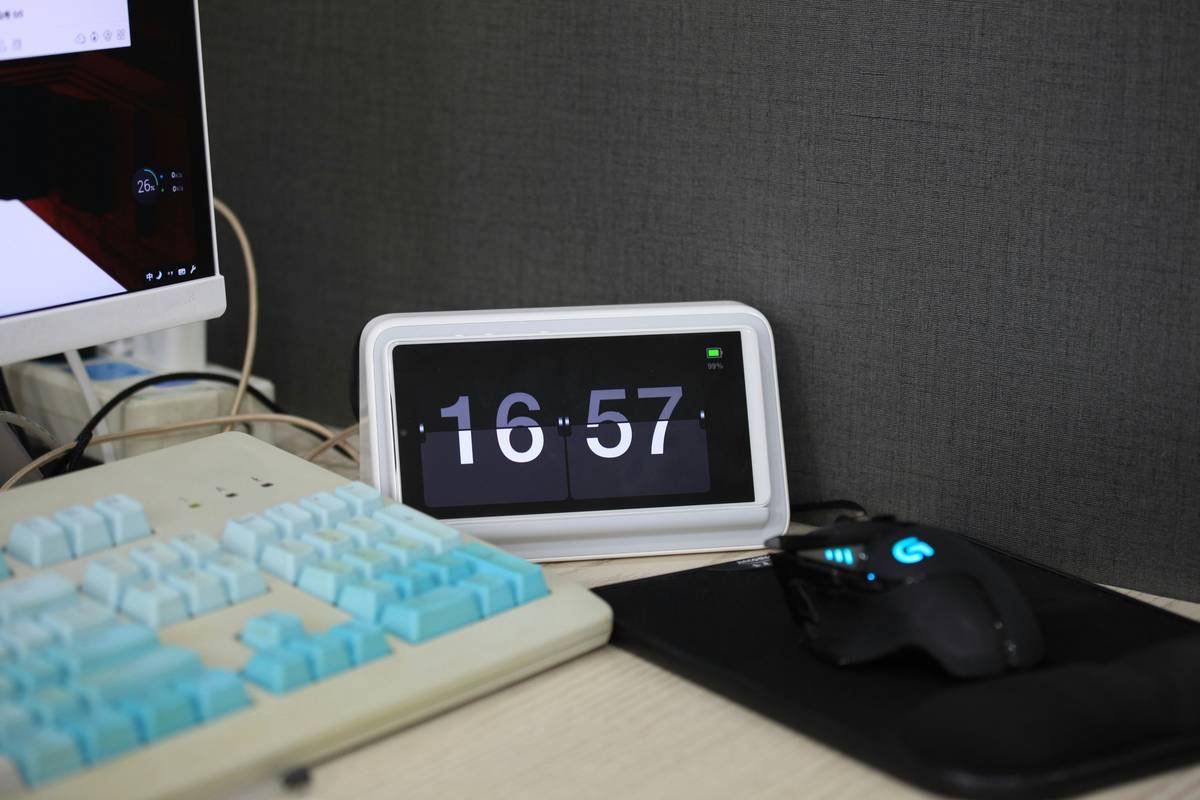
This feature isn’t just about being lazy (though let’s be honest—that’s part of it). According to a recent study, people spend approximately 50 hours per year tinkering with alarm settings manually. Yikes!
Step-by-Step Guide: Setting Up Voice Commands for Your Smart Clock
Optimist You: “It’s super easy!”
Grumpy Me: “Ugh, fine—but don’t expect miracles if you forget to charge your device.”
Here’s how to get started:
1. Choose the Right Device
Not all smart clocks are created equal. Popular options include Google Nest Hub, Amazon Echo Show, and Apple HomePod. Make sure yours supports voice assistants like Alexa, Google Assistant, or Siri.
2. Connect Your Smart Clock to Wi-Fi
Head to the app corresponding to your device (e.g., Google Home app or Alexa app) and connect it to your network. Pro tip: Keep the password handy—you’ll need it.
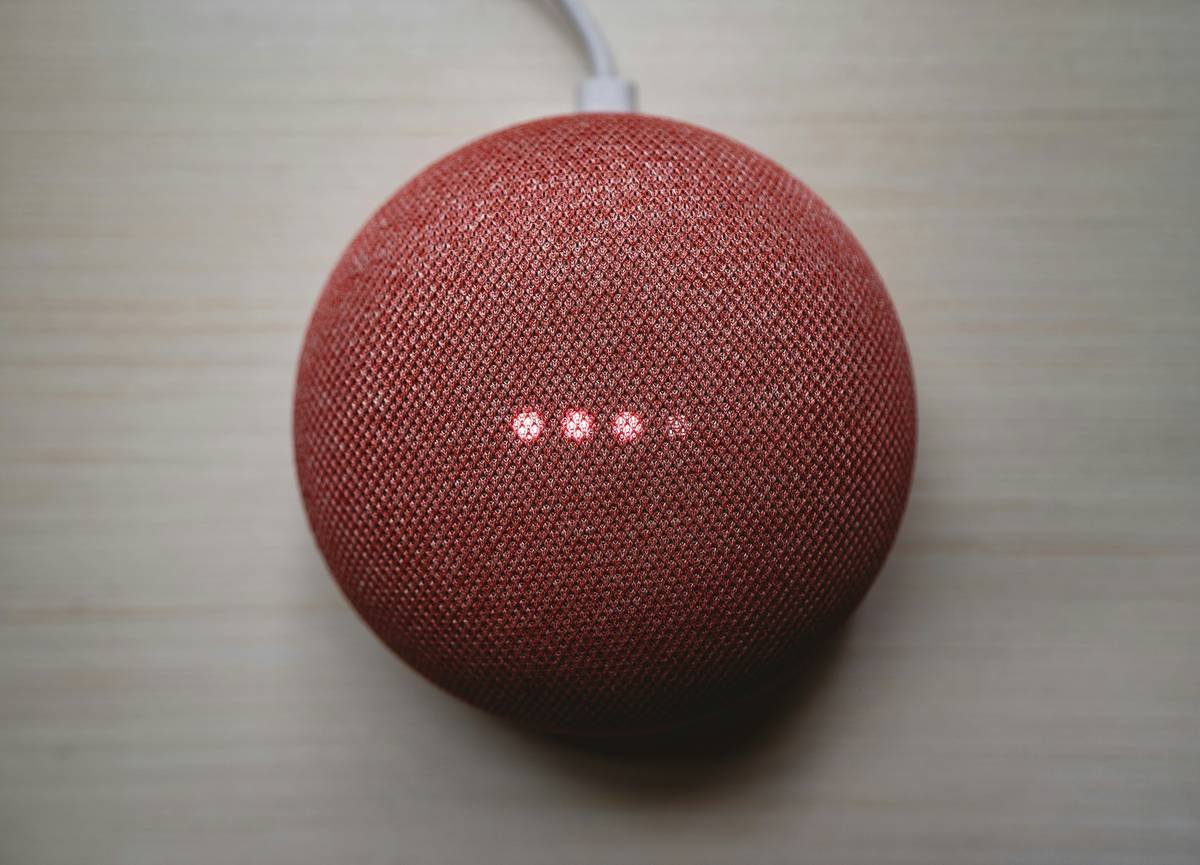
3. Enable Alarm Features via Voice Assistant
Once connected, test the setup by asking, “What time is it?” If it responds correctly, you’re good to go. From there, say something like, “Set an alarm for tomorrow at 6 AM,” and watch the magic happen.
Tips & Best Practices for Mastering Voice Commands
Ready to level up? Here’s a list of strategies to make voice commands for alarms work harder for you:
- Use Clear & Concise Phrases: Avoid fancy language. Simple commands like “Wake me up at X” work best.
- Create Routines: Combine multiple actions. For instance, ask your assistant to turn off lights and start coffee when your alarm goes off.
- Practice Patience: Don’t scream into the void. Give your assistant a second to process what you said.
- Update Firmware Regularly: Outdated software means missed opportunities for improved functionality.
- Know Your Limits: Some devices struggle with accents or background noise. Experiment until you find what works.
A Terrible Tip Disclaimer:
Ignore anyone who tells you to yell louder. That’s not solving the problem—it’s creating new ones (like angry neighbors).
Real-World Examples of Voice Command Efficiency
Let’s talk success stories:
Case Study #1: The Overworked Parent
Sarah, a single mom juggling two jobs, swears by her smart clock. Instead of scrolling endlessly before bedtime, she simply says, “Remind me to pick up Liam tomorrow at noon.” Stress reduced—check.
Case Study #2: The Early Bird Entrepreneur
Mike owns a startup but struggles with early mornings. He uses customized routines: His alarm triggers soothing music, brews his espresso, and even adjusts his thermostat. Talk about productivity porn!

Frequently Asked Questions About Voice Commands for Alarms
Q: Do all smart clocks support voice commands?
Nope. Always check compatibility before purchasing. Devices like Amazon Echo and Google Nest lead the pack.
Q: Can I customize my alarm sound via voice commands?
Yes! Many systems allow you to request specific tunes, nature sounds, or playlists directly.
Q: Is it possible to cancel alarms using voice commands?
Absolutely. Just say, “Cancel my 7 AM alarm,” and voila—it’s gone.
Conclusion
From clunky buttons to seamless voice commands for alarms, the evolution of smart clocks has been nothing short of revolutionary. With these tools, you can reclaim precious minutes every day and transform chaotic mornings into smooth operations.
Remember, though—it’s not just about tech wizardry. It’s about finding solutions tailored to YOUR needs. So grab that coffee, embrace the future, and never miss another snooze again.
“Like a Tamagotchi, your SEO strategy thrives on daily care.”